
Blogi
Czerwony, zielony, biały czy żółty kratom: co tak naprawdę oznaczają te kolory?
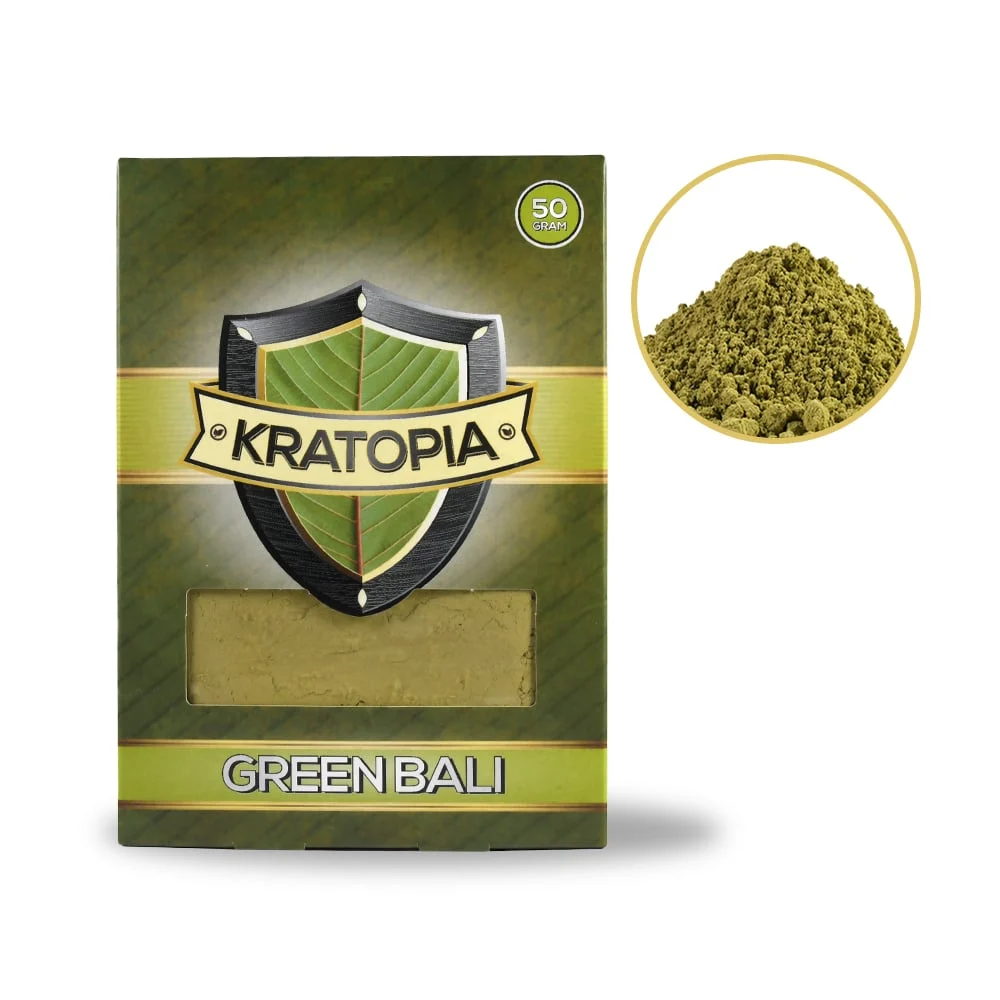
Anyone who opens the kratom section of a smartshop is greeted by a whole palette: red, green, white, yellow, and sometimes gold. On top of that come names like Bali, Borneo, Sumatra and Maeng Da. It is easy to assume that each colour is a different plant with a completely different effect.
The reality is a bit more nuanced. In this article we explain where the colours come from, what the trade names mean, what science says about the differences, and how to compare products in a responsible way.
Spis treści
Kratom in brief
Kratom is the name of the tree Mitragyna speciosa, a relative of the coffee plant that grows in Thailand, Malaysia, Indonesia and Papua New Guinea. The leaves contain alkaloids, of which mitragynine is the most important. Another, much smaller component is 7-hydroxymitragynine. In Southeast Asia the fresh leaves have been chewed or brewed into tea for generations by farmers and labourers.
Want to know more about the plant itself and its history? Read our article Czym jest kratom i jak działa? Here we focus on one question only: what is behind all those colours?
Where do the colours come from?
The colour names originally refer to the colour of the central vein of the leaf: red, green or white. Kratom leaves really do differ in vein colour, and in the trade the colour is often linked to the age of the leaf. Young leaves are said to have lighter veins and older leaves redder veins.
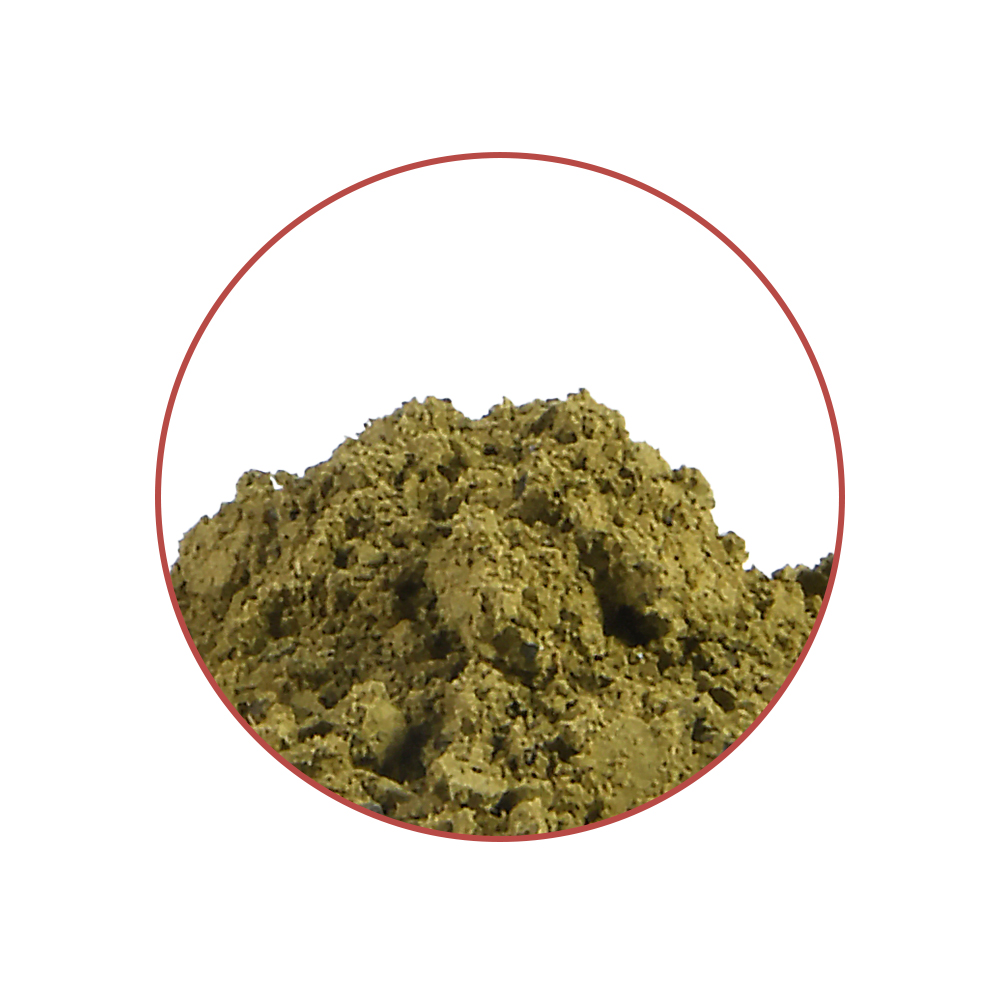
But there is a second, more important factor: processing. After harvest, the leaves are withered and dried, indoors or in the sun, quickly or slowly, at a low or high temperature. That process has a strong effect on the colour of the final powder. A 2025 study in which leaves from the same batch were dried in different ways showed that high drying temperatures turn the powder reddish brown, while cool drying keeps it green.
The researchers concluded that in Western shops, “red”, “green” and “white” usually refer to the colour of the powder, and that this colour mainly tells you something about how the leaves were treated after harvest, not necessarily about the alkaloids in them.
Does the colour say anything about the effect?
In shops and on forums you will mostly read the following descriptions:
- Czerwony kratom is described as the calmest and most relaxing variety, often used in the evening.
- White kratom is described as the most energetic and stimulating variety, often used in the morning.
- Green kratom is seen as the middle ground between red and white.
- Yellow and gold kratom are usually explained as processing variants rather than separate vein colours: leaf that was dried or fermented for longer. They are often described as mild and balanced.
These descriptions come from tradition, marketing and user experience. Science gives a more mixed picture. Studies that measured alkaloid content found differences between products, but not a consistent pattern per colour. A Thai study of hundreds of leaf samples found that mitragynine content varied strongly with season and region (from less than 1% to almost 5% of the dry weight), while the vein colour did not change with location. An Indonesian study even found that the ranking of red, green and white reversed depending on how the extract was measured.
In short: two “red” products from different suppliers can differ more from each other than a red and a green product from the same supplier. The colour is a starting point, not a guarantee.
What do Bali, Borneo, Sumatra and Maeng Da mean?
Besides the colour, kratom names usually include a second word. That is a trade name, often referring to a region or a story:
- Bali is a well-known trade name, even though most “Bali” kratom does not come from Bali itself. It is often used for a widely available, all-round type of leaf.
- Borneo oraz Sumatra refer to Indonesian islands where a lot of kratom is grown.
- Maeng Da comes from Thai slang and roughly means “pimp grade”. It is a marketing name for kratom that is presented as extra strong, not an official variety.
- Super lub Złoto in a name usually refers to a selection or processing step, not a separate plant.
There is no official classification or inspection behind these names. That is why you should always look at the brand, the description and the warnings, not only at the label.
The kratom varieties at Tatanka
- Red: Red Sumatra, Red Bali, Red Borneo, Red Maeng Da
- Green: Green Sumatra, Green Bali, Green Borneo, Green Maeng Da
- White: White Sumatra, White Bali, White Borneo, White Maeng Da
- Yellow and gold: Yellow Maeng Da, Yellow Borneo, Super Bali Gold
- Everything together: all kratom products
Powder, leaves, extract or capsules?
Besides the colour, the form also matters. The varieties above are powders of ground leaf. You will also find whole kratom leaves, kapsułki, liquids and concentrated extracts such as Kratom 15x oraz Kratom 20x.
An extract is much more concentrated than leaf powder, so the amounts on the label are completely different. Never swap a leaf powder for an extract in the same amount. Always use the serving and the daily maximum stated on the specific product.
How to compare kratom responsibly
If you want to find out which type suits you, a few rules of thumb help:
- Change one thing at a time. Compare varieties from the same brand, so differences in processing and quality do not cloud the picture.
- Stick to the label. Read the serving and warnings on the product and never go above them. Do not take a second serving because you “do not feel anything yet”.
- Keep notes. Write down which product you used, how much and how you felt. Your own experience says more than any colour chart.
- Not every day. Kratom can be habit-forming with frequent use. Keep enough days in between.
- Store it well. Keep kratom airtight, dark and dry. Moisture and light affect quality.
Risks and who should not use kratom
Kratom is a plant with real pharmacological effects. That makes it interesting, but it also means you have to treat it with care.
- Frequent and heavy use can lead to dependence and withdrawal symptoms such as restlessness, irritability, muscle pain and sleeping problems.
- Known side effects include nausea, constipation, dizziness, sweating and loss of appetite. Rare cases of liver damage and seizures have been reported.
- Never combine kratom with alcohol, opioids, benzodiazepines, sleeping pills or other drugs. Combinations increase the risk of serious side effects.
- Do not use kratom if you are under 18, pregnant or breastfeeding, have heart, kidney, liver or blood pressure problems or diabetes, or take medication.
- Do not drive or operate machinery after using kratom.
Struggling with your use, or worried about someone else? In the Netherlands you can contact the Drugs Infolijn of the Trimbos Institute, or your GP, anonymously and free of charge.
Is kratom legal?
In the Netherlands kratom is not listed in the Opium Act, so it can be sold here. That is not the case everywhere. According to the European Union Drugs Agency (EUDA), kratom and/or its alkaloids are controlled in at least twelve European countries, including Denmark, Sweden, Finland, France, Italy, Poland and Romania. Ordering from another country? Check your local law first.
Frequently asked questions about kratom colours
What is the difference between red, green and white kratom?
Is red kratom stronger than white kratom?
What is yellow or gold kratom?
What does Maeng Da mean?
Can I combine different kratom colours?
Is kratom legal in the Netherlands?
Sources
- Alkaloid biosynthesis in kratom varies with postharvest, genetic and seasonal factors (2025)
- Seasonal and geographic variation in alkaloid content of kratom from Thailand (2023)
- European Union Drugs Agency: Kratom drug profile